
How to Design a Beautiful, Low-Maintenance Second Home in Utah
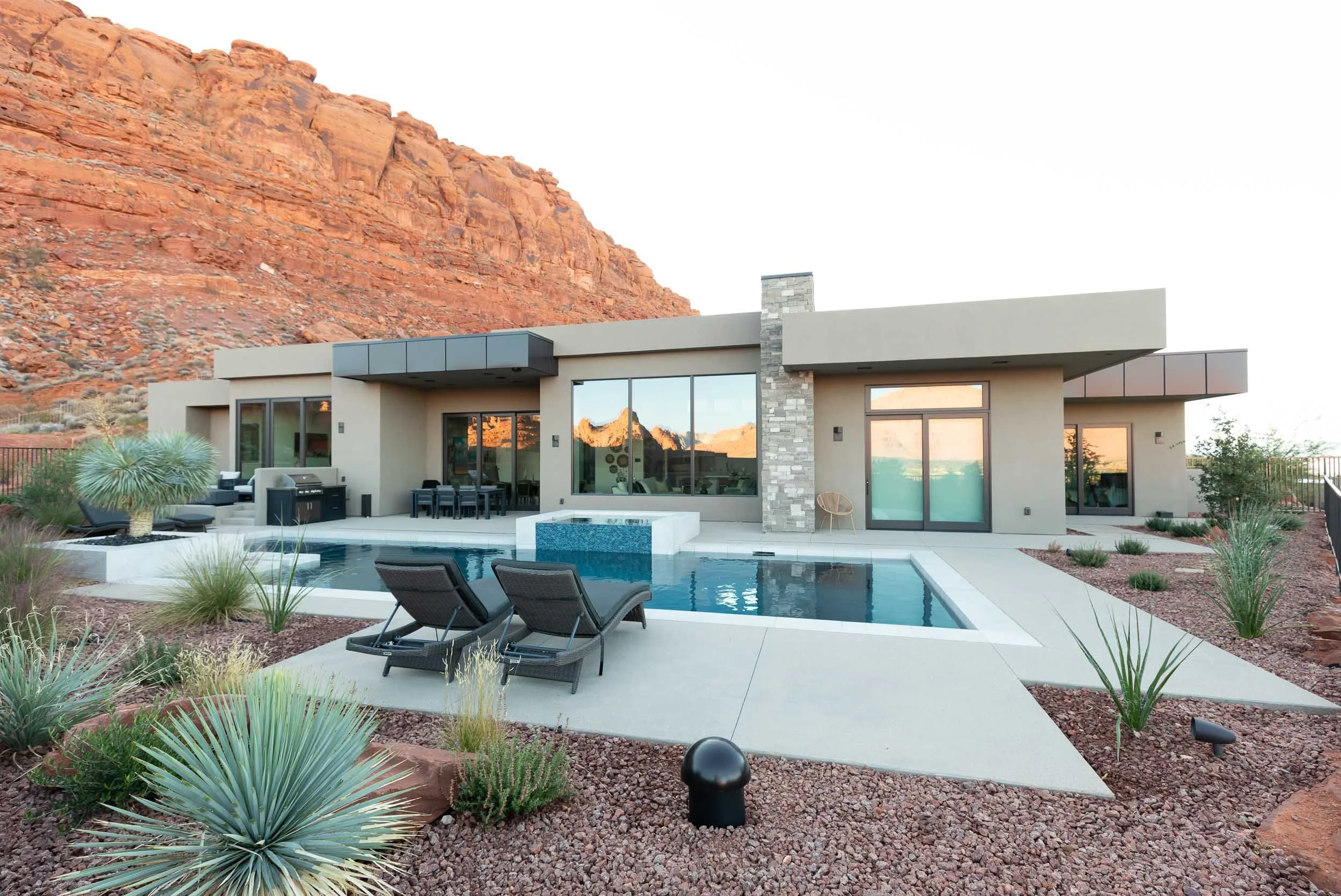
The best second homes aren’t the ones with the fewest responsibilities. They are the ones that make you want to stay a little longer.
When most people think about building a second home, their minds immediately jump to maintenance.
Who’s going to take care of it?
What happens when we’re not there?
Is it just one more thing to clean, repair, and worry about?
Honestly, those are fair questions.
As an interior designer in Logan, Utah, I’ve worked with many clients building vacation homes, mountain retreats, and second homes throughout Utah. While every project is different, I’ve noticed something interesting. The people who love their second homes the most are not necessarily the ones with the biggest budgets or the fanciest finishes. They’re the ones who made thoughtful decisions from the beginning.
A second home should make life easier, not more complicated.
That doesn’t mean eliminating every bit of maintenance. Sometimes the things that require a little upkeep are the very things that create the memories you’ll cherish most. Ask almost anyone who has added a pool to their vacation home. They will happily tell you that the maintenance is worth every cannonball, every grandkid visit, and every summer afternoon spent together.
The goal isn’t to create a maintenance-free home. The goal is to create a home that’s easy to enjoy.
Here are a few design decisions I encourage my clients to consider when planning a second home.
Prioritize the Experiences That Matter Most
One of the first things I think about when designing a second home isn’t the furniture or the finishes. It’s the experience.
Where will you drink your morning coffee?
What view do you want to see when you wake up?
Where will the grandkids gather after a day outside?
Some of the best second homes I’ve seen aren’t. They’re the largest. They’re designed around the things the homeowners love most.
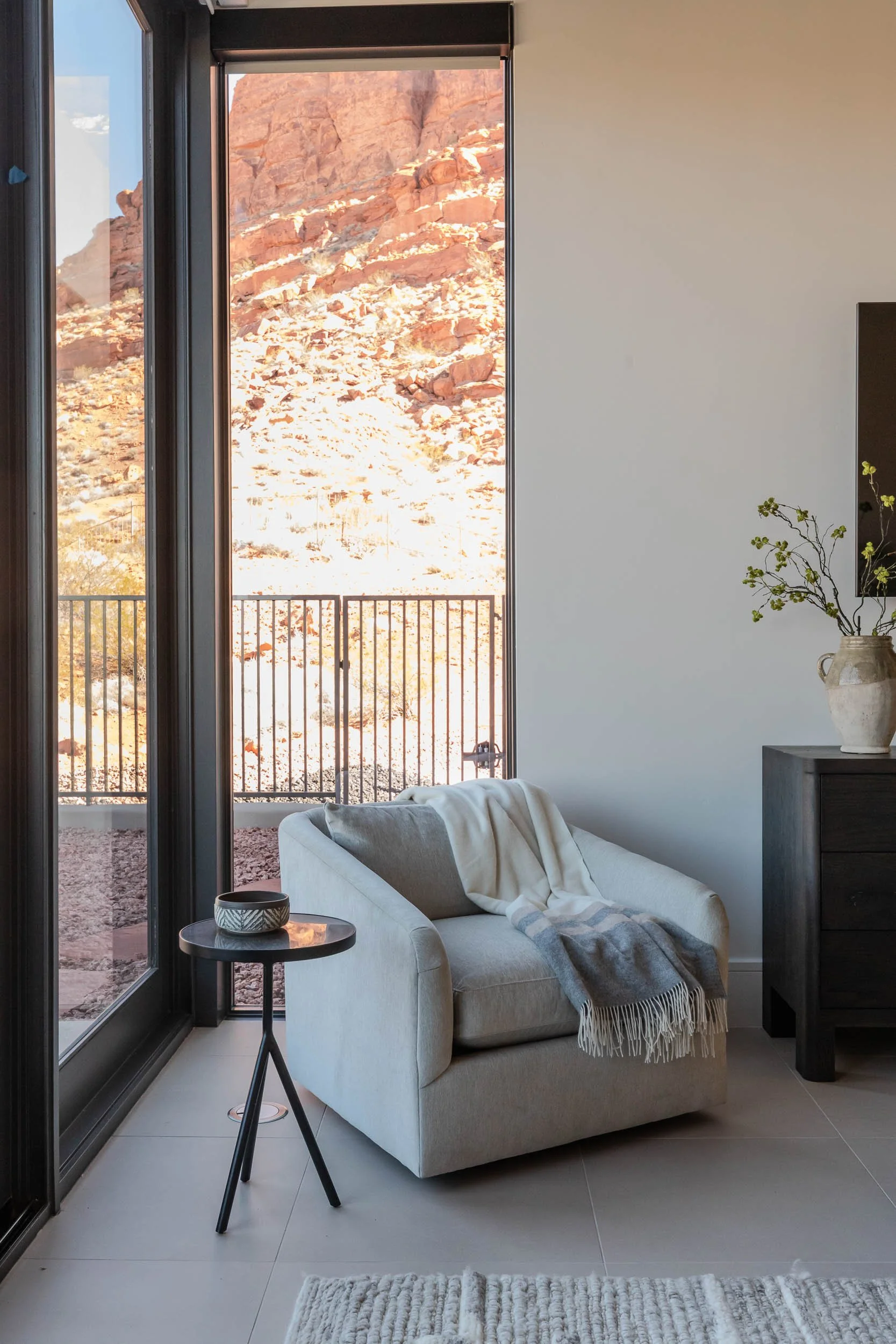
If you have a beautiful mountain view, don’t hide it behind a hallway. If the sunset is spectacular, create an outdoor space where you can enjoy it. If your favorite part of the day is reading on a quiet patio, make room for that.
These decisions don’t necessarily cost more, but they can completely change how a home feels.
Choose Materials That Age Gracefully
I have a personal confession.
When we built our home, we used pine siding in certain areas. At the time, I loved it.
Seven years later, let’s say I’m having different feelings about that decision.
Utah weather is no joke. Between the intense sun, snow, wind, and temperature swings, exterior materials have to work hard.
If I were making that choice again today, I would seriously consider products like Accoya wood, which offers the warmth and beauty of real wood with significantly better durability and lower maintenance.
I also encourage clients to think carefully about stone, fiber cement siding, roofing materials, and other exterior finishes. Sometimes spending a little more upfront saves years of maintenance later.
Invest in Features That Bring People Together
This may sound strange in an article about low-maintenance living, but stay with me.
Not every worthwhile feature is maintenance free.
Pools are a great example.
Do they require upkeep? Absolutely.
Would most of my clients remove theirs if given the chance? Not a chance.
The memories created around a pool, outdoor kitchen, fire pit, or covered patio often become the reason people love their second homes so much.
When deciding where to invest, I encourage clients to think beyond maintenance and ask a different question:
Will this help us spend more quality time together?
If the answer is yes, the upkeep may be well worth it.
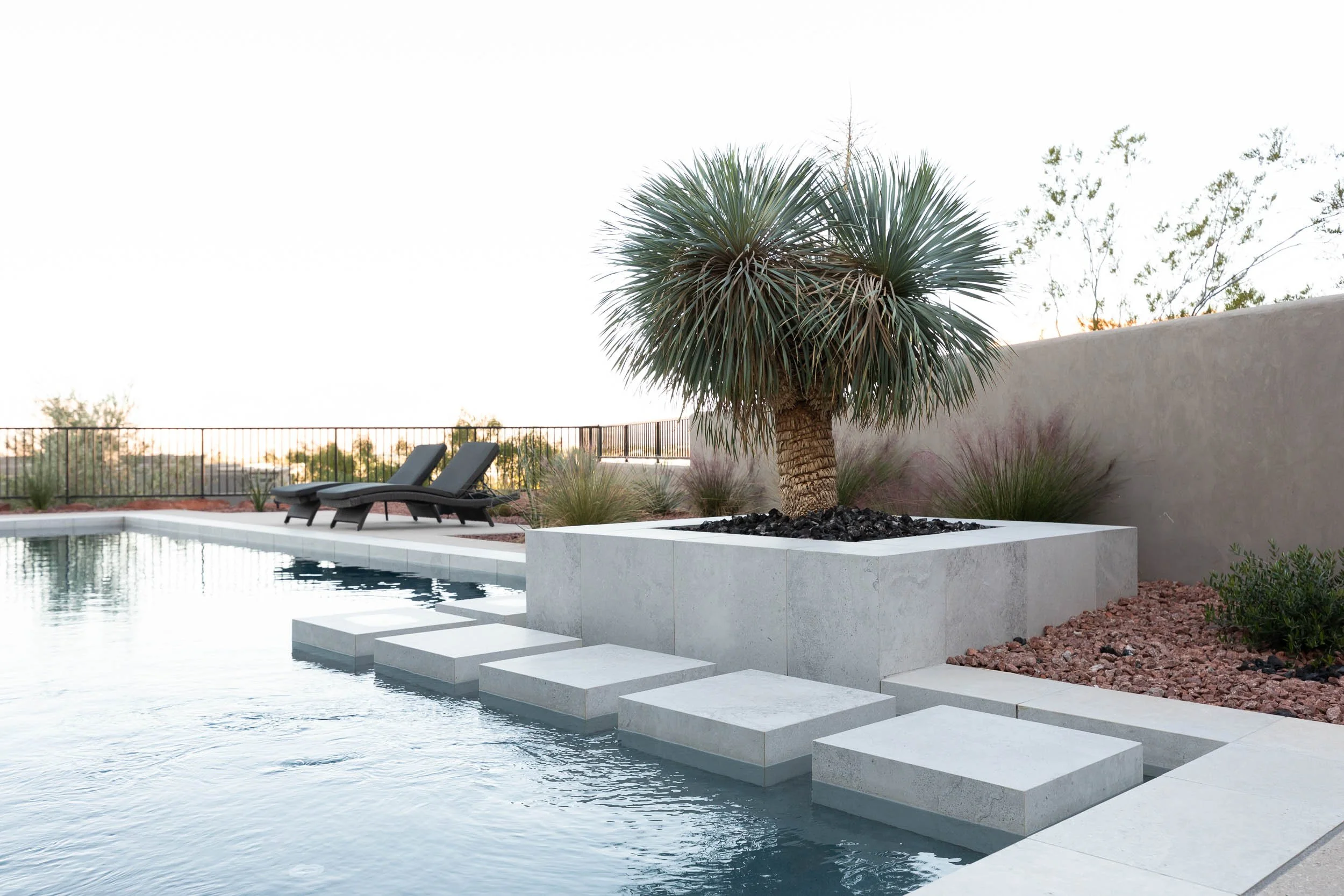
The most-loved spaces in a second home are often the ones where family and friends naturally gather
Select Furnishings That Can Handle Real Life
The best second homes are lived in.
They’re visited by children, grandchildren, friends, neighbors, and occasionally a wet dog.
That means choosing furnishings that are beautiful but practical.
Performance fabrics have come a long way. Durable rugs, easy-care materials, and well-made furniture allow you to relax instead of worrying every time someone sits down with a snack.
A second home should invite people to put their feet up. Not make them nervous.
Simplify Interior Finishes
One of the easiest ways to reduce maintenance is by keeping things simple.
That doesn’t mean boring.
It means making thoughtful choices.
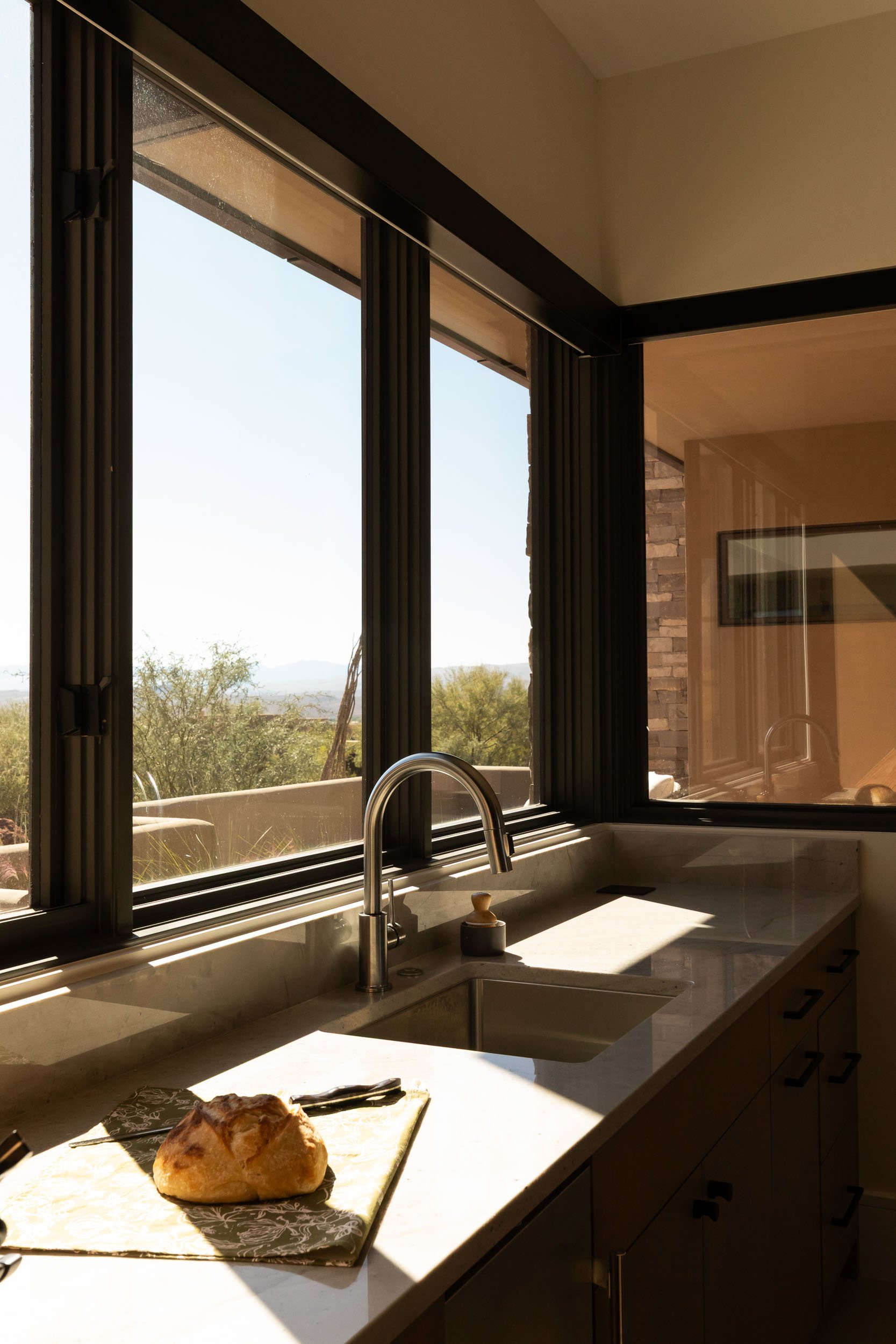
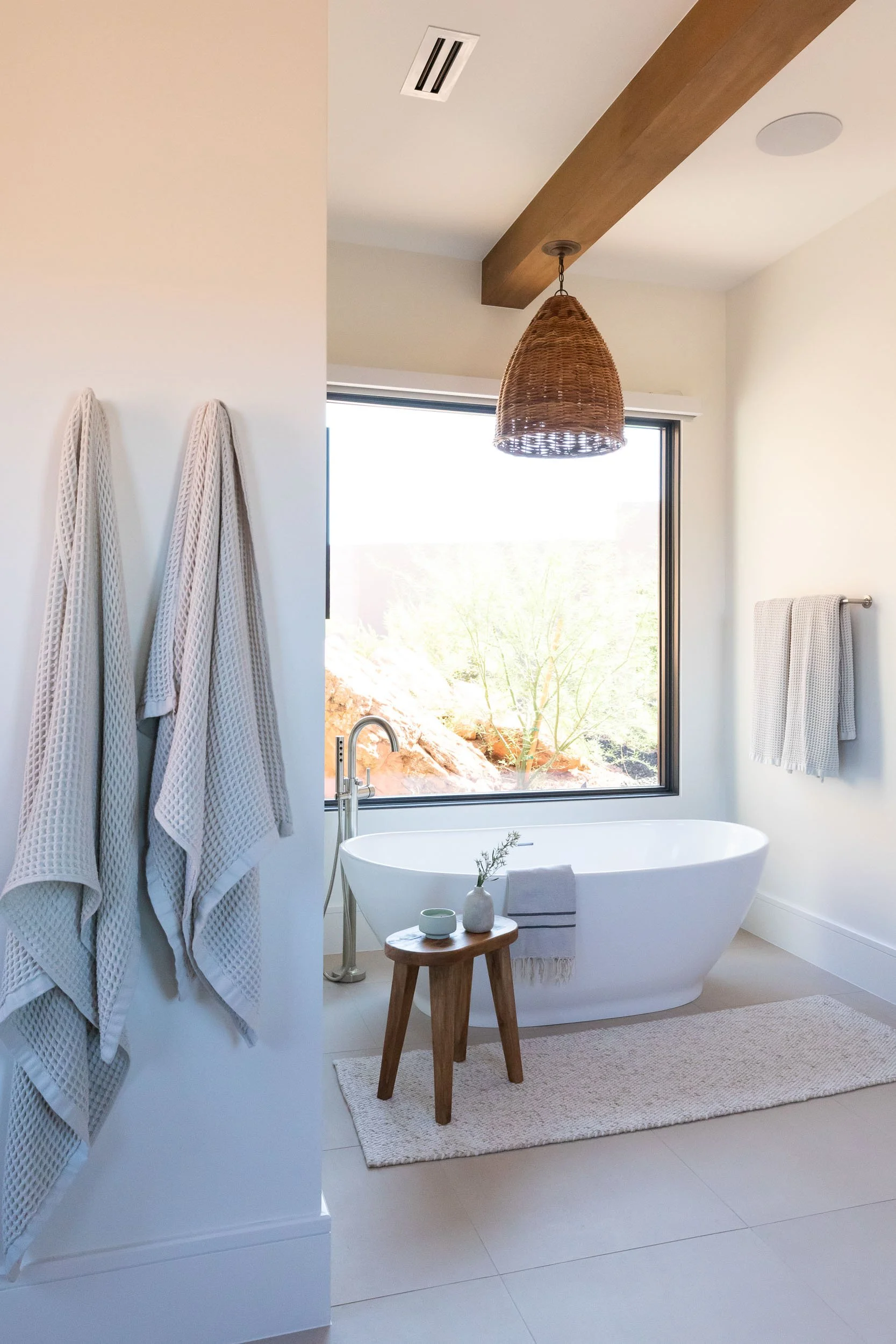
Fewer flooring transitions. Durable countertops. Larger format tile with fewer grout lines. Materials that are easy to wipe down and hold up well over time.
Beautiful design doesn’t have to be fussy.
In fact, some of the most timeless homes are also the easiest to maintain.
Think About Storage Before You Need It
Storage isn’t exciting until you don’t have enough of it.
Second homes often need to accommodate guests, outdoor gear, extra bedding, seasonal items, golf clubs, hiking equipment, and everything else that seems to multiply over time.
Planning for storage from the beginning makes a huge difference.
A well-designed mudroom, pantry, owner’s closet, or storage room can help keep the rest of the home feeling calm and uncluttered.
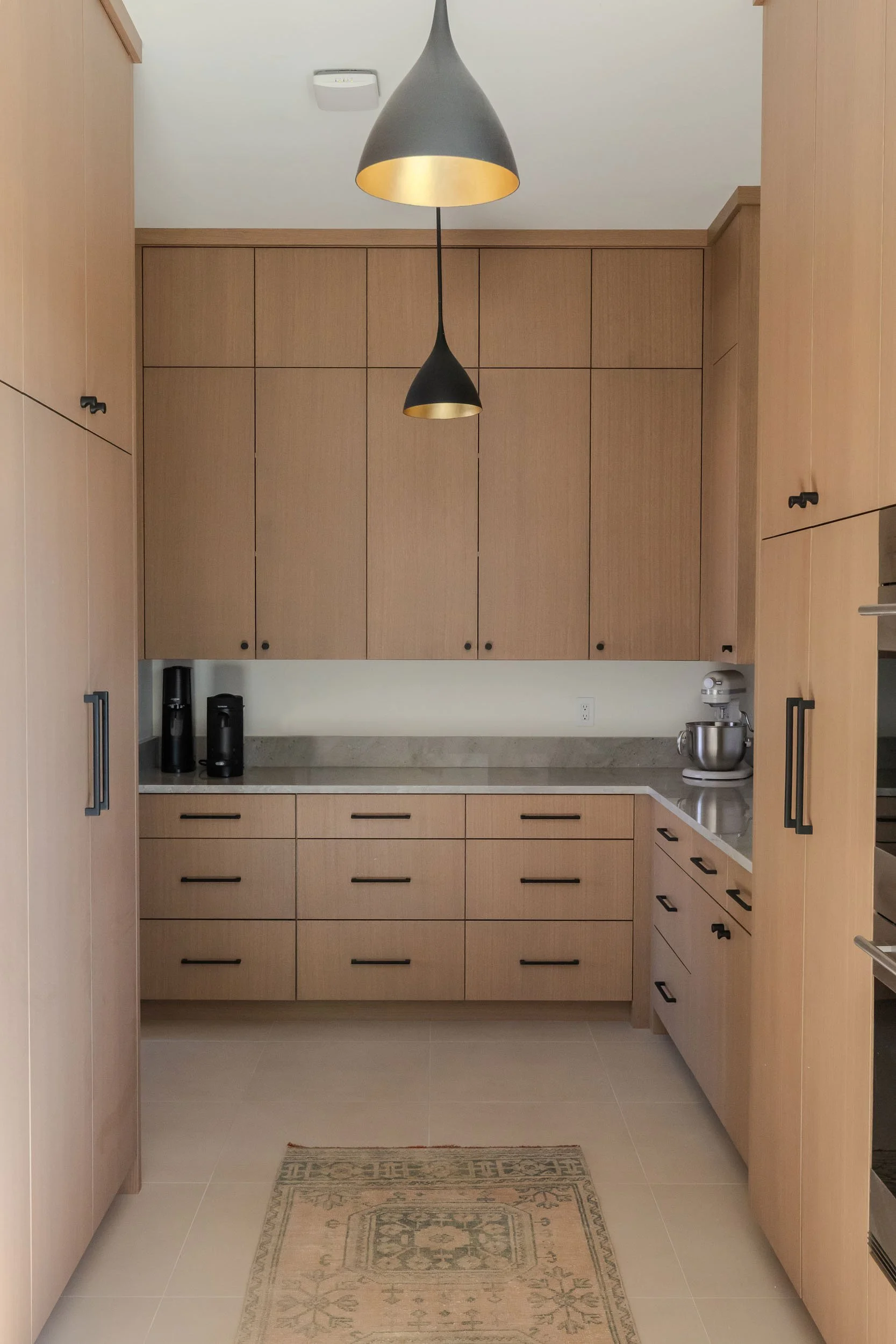
Storage is a MUST!
One thing I encourage clients to think about early in the design process is storage. A thoughtfully designed pantry helps keep everyday essentials organized so you can spend less time searching for things and more time enjoying your home.".
Plan for Lock and Leave Living
Many of my clients aren’t living in their second homes year-round.
That means the home needs to function even when they’re away.
Smart thermostats, security systems, durable landscaping, and easy-care materials can provide peace of mind and reduce the number of things that need attention between visits.
The less you have to worry about while you’re away, the more you can enjoy your time when you arrive.
Final Thoughts
A second home doesn’t have to be overwhelming.
In fact, when designed thoughtfully, it can simplify life.
Whether you’re building a mountain retreat in Northern Utah, a cabin getaway, or a Southern Utah vacation home, the goal isn’t perfection. The goal is to create a place where you can relax, connect with family, and enjoy the lifestyle you’ve worked hard to create.
And if that place happens to include a pool full of grandkids and a few wet towels along the way, I’d call that a success.