
Designing Indoor-Outdoor Living
The First Thing to Consider When Building a Home
One of the very first things I look at when designing a home is not finishes or furniture. It is the light.
I have always been sensitive to how much sunlight is in my spaces, and I learned just how important that was when we built our second home in St. George. We purchased one of the last available lots, so we did not have much flexibility in how the home was oriented. At the time, I did not think it would be a big deal, but as soon as we moved in, I could feel the difference. The home did not get nearly as much natural light as I would have liked, and it changed how the space felt throughout the day.
You may find yourself in a similar situation where you do not have full control over the orientation of your home. Even so, there are still thoughtful ways to work with the light you have.
So much of how a home feels comes down to where the sun hits and how it moves through the space. It might seem simple, but it is one of the most important things to consider when building or remodeling.
Before I think about materials or furnishings, I always start here.
Start With the Sun
Every home sits differently on its lot, and understanding how light moves throughout the day can completely change how a home lives.
Where will you want soft morning light?
Where do you want warmth in the evening?
Are there areas where you may want to avoid harsh afternoon sun?
These decisions shape everything.
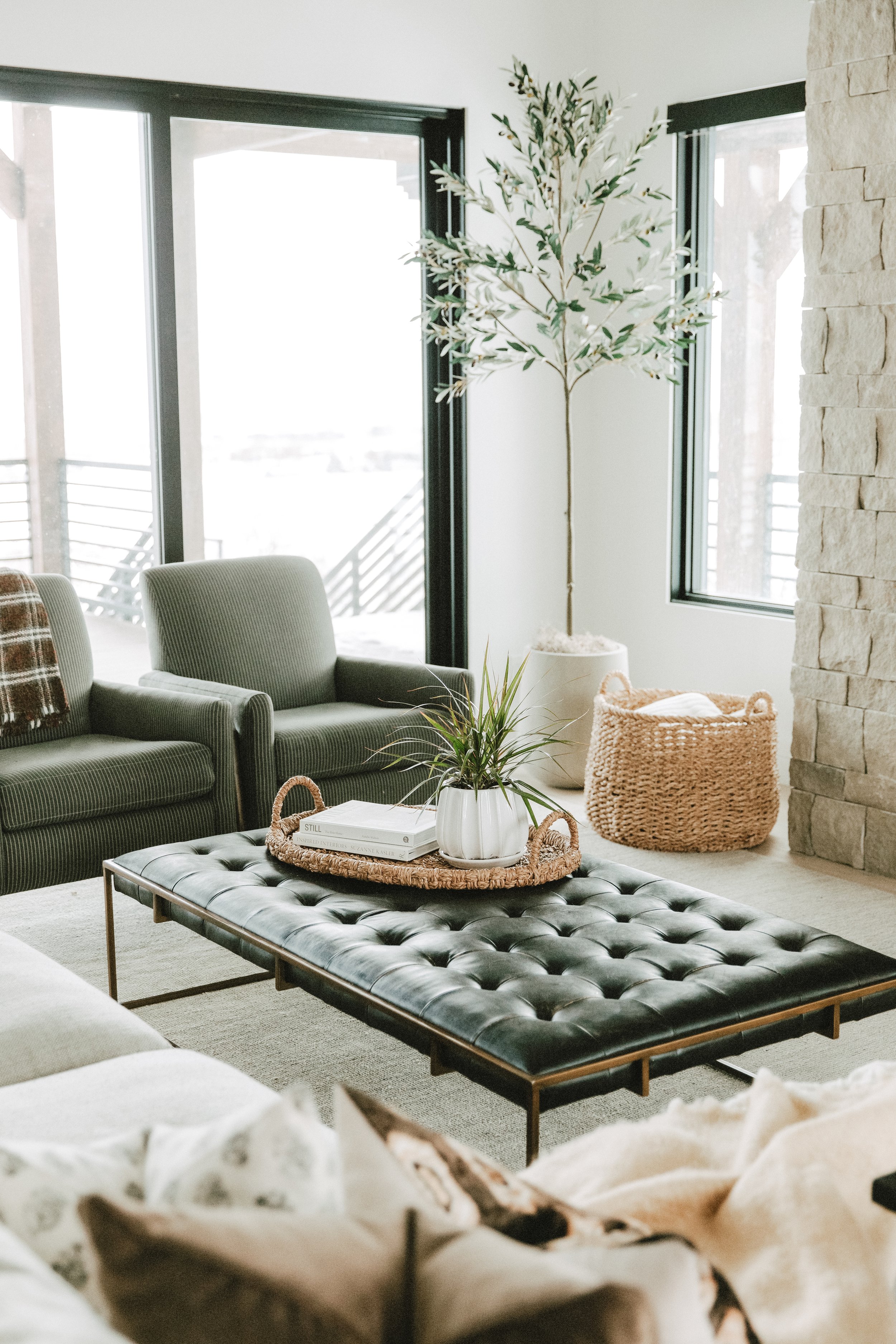
A kitchen filled with morning light feels energizing and welcoming. A living space with softer evening light creates a sense of calm at the end of the day. Bedrooms, outdoor spaces, and even hallways are all influenced by how the home is positioned.
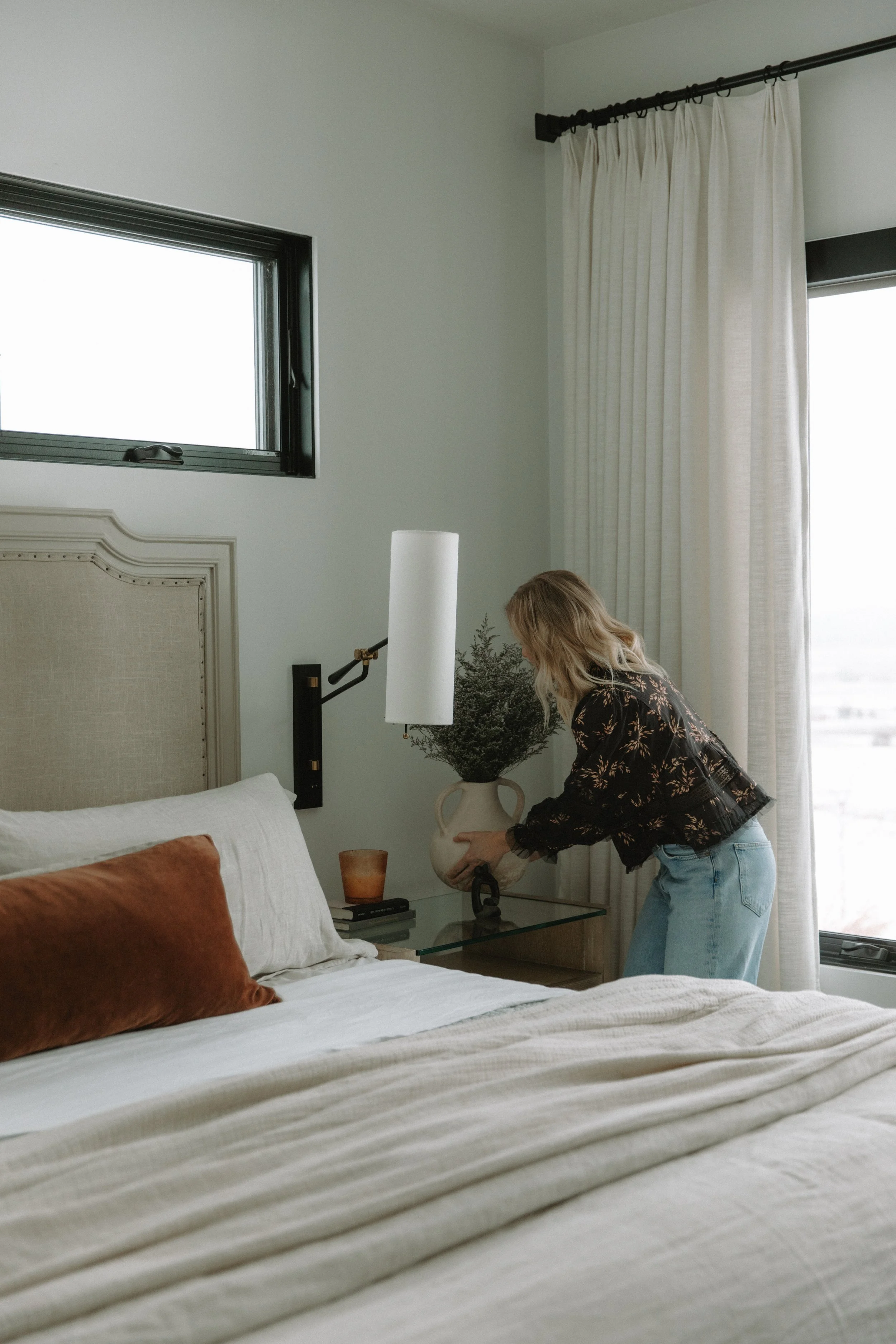
Personally, I love waking up to the sun. Our bedroom has an east-facing window, and that soft morning light is one of my favorite parts of the day. It gives me energy and sets the tone for everything that follows.
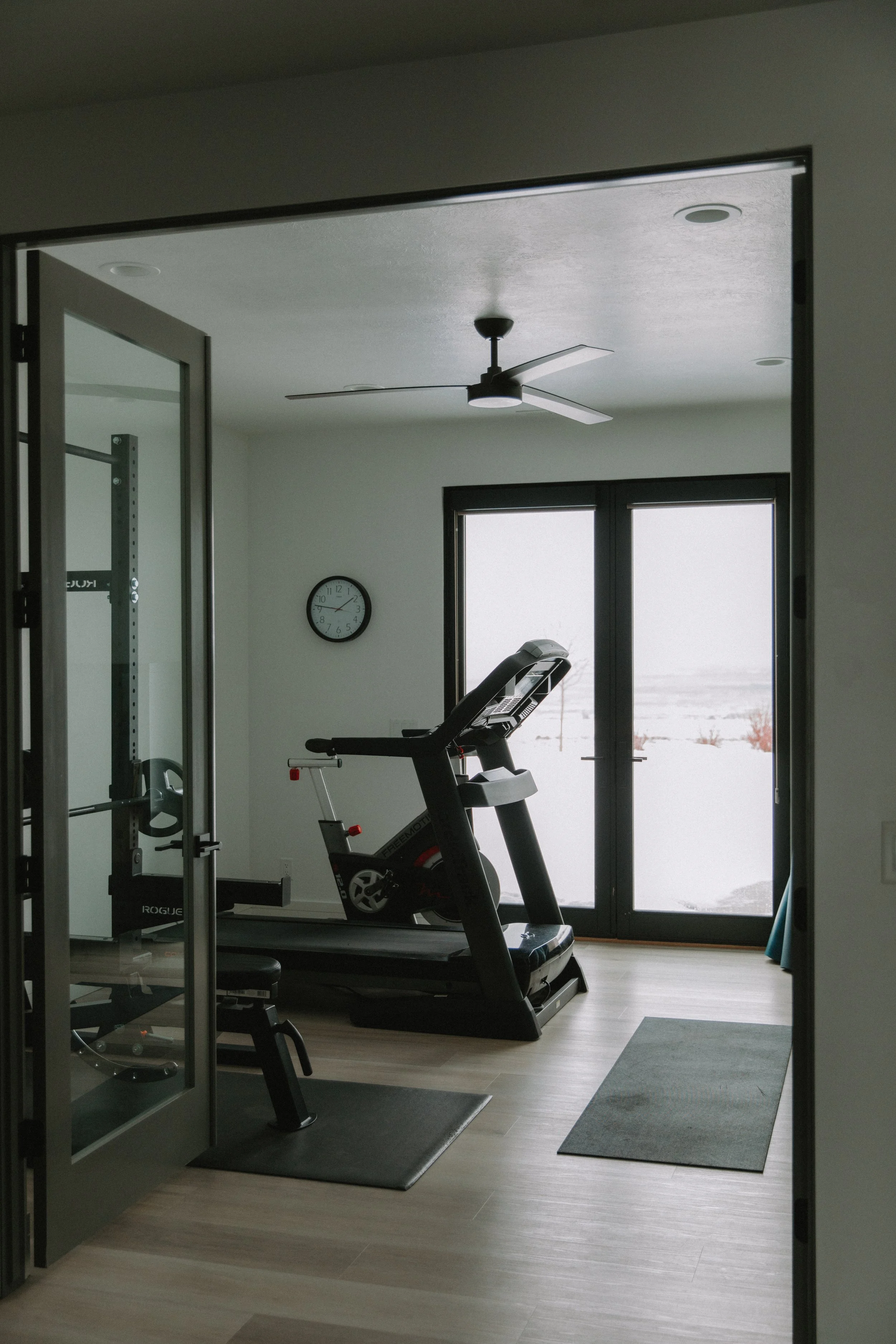
My workout room also faces east with large windows looking out to the outdoors, and it completely changes how that space feels. It helps me wake up, and I enjoy my workouts so much more because of it.
At the same time, not everyone wants that. You might prefer a bedroom that stays darker in the morning so you can sleep in. That is why designing with light is not just about bringing in as much as possible, but about placing it in a way that supports how you want to live.
This is where thoughtful design begins. Not with how the home looks, but how it feels to live in.
Use Windows to Create Connection
Once the light is right, the next step is creating a connection to the outdoors.
Large windows are important, but it is not just about making them bigger. It is about what you see through them.
I like to think about sightlines. When you stand at the front door, what do you see? Can you look through the home and catch a glimpse of the backyard? Does the view feel intentional?
In one of our current projects, when you enter the home you are surrounded by brick on the exterior, and through the windows you can see that same brick continuing on the interior entry wall. That kind of continuity creates a quiet, cohesive feeling that is hard to replicate later.
It is subtle, but it makes a home feel thoughtfully designed from the very beginning.
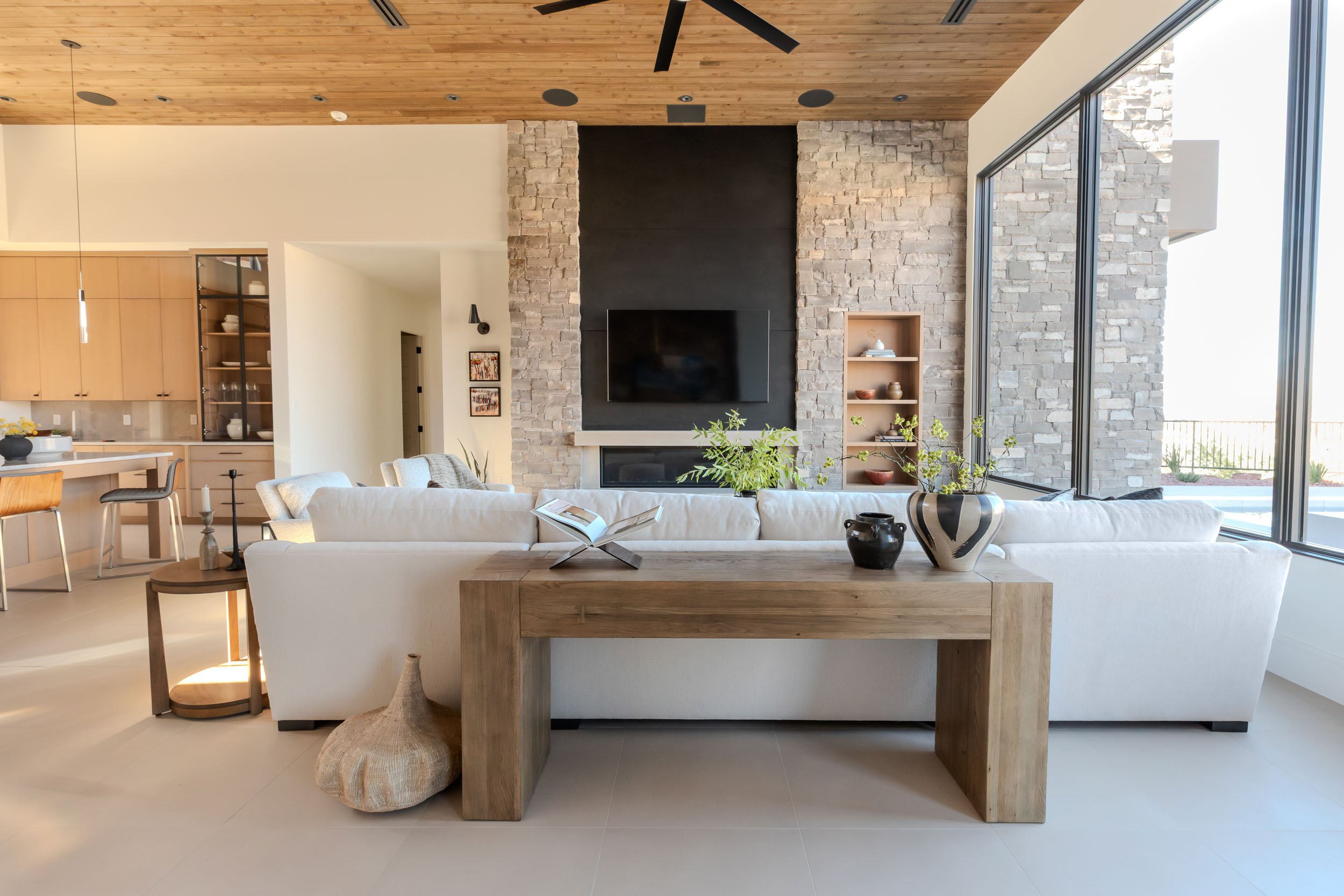
In our Desert Haven Project, we took the rock on the outside and brought it in to use on the fireplace, which created a seamless transition from the outside to the inside.
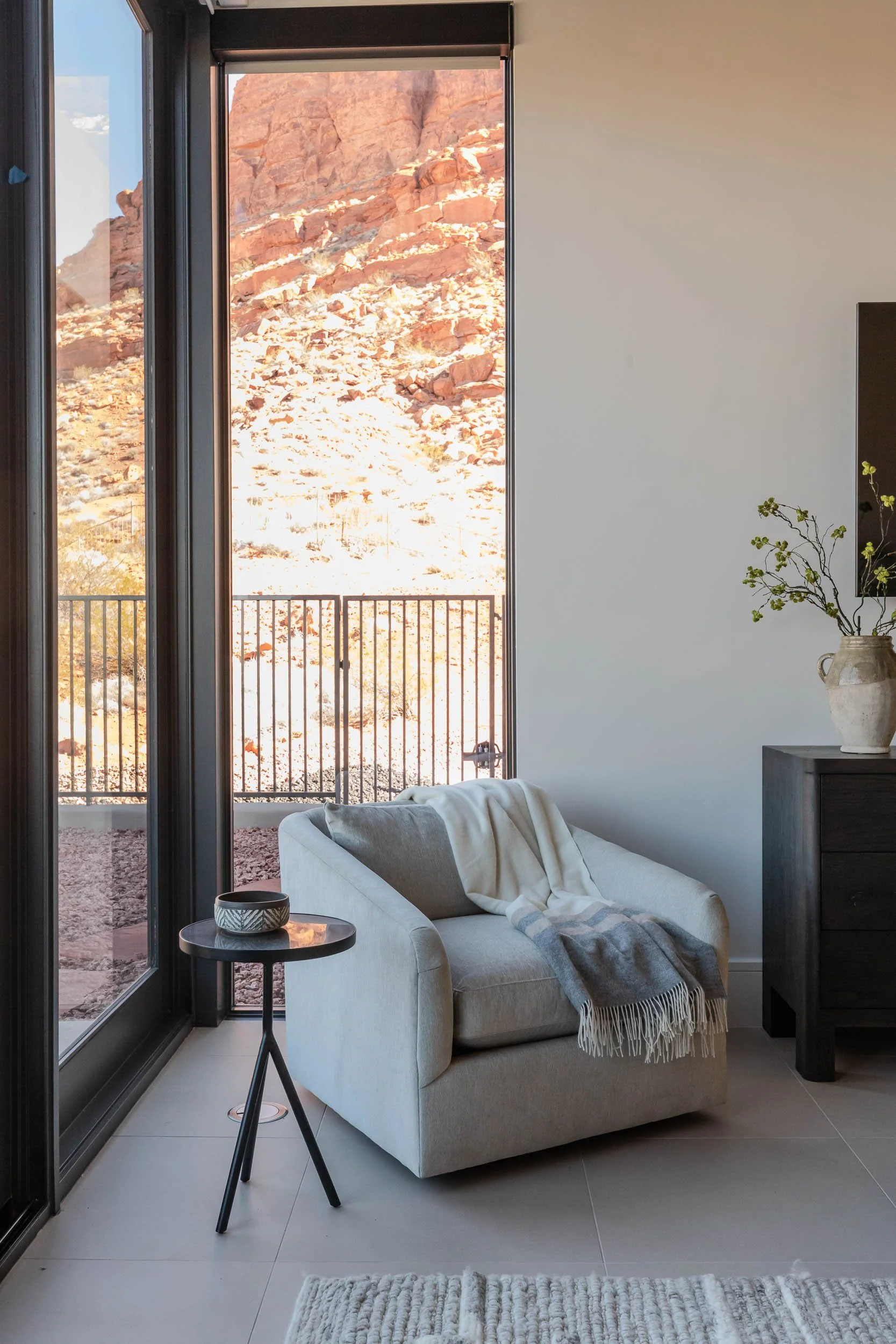
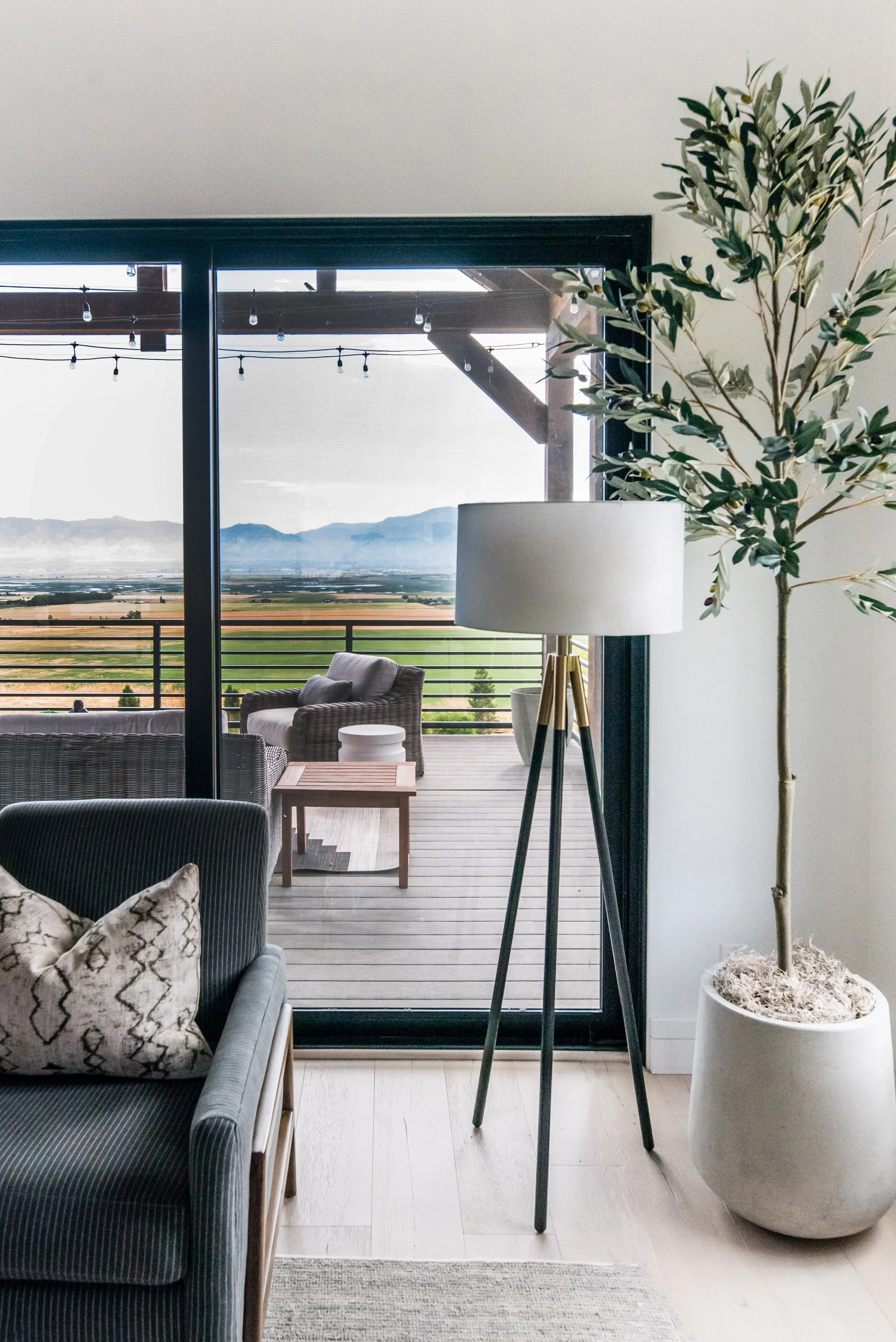
Windows that extend all the way to the floor create a stronger sense of connection to the outdoors and help the space feel more grounded.
Can you imagine waking up to this beautiful backdrop?
Repeat Materials for a Seamless Feel
One of the most effective ways to create true indoor outdoor living is by repeating materials from the exterior inside the home.
This might look like stone from the exterior continuing onto a fireplace, or brick wrapping from outside into an entry wall.
When materials carry through, the transition between indoor and outdoor spaces feels natural and grounded.
It does not need to match perfectly. It just needs to feel consistent.
When this is done well, the home feels calm, cohesive, and connected to its surroundings.
Plan Outdoor Spaces With Intention
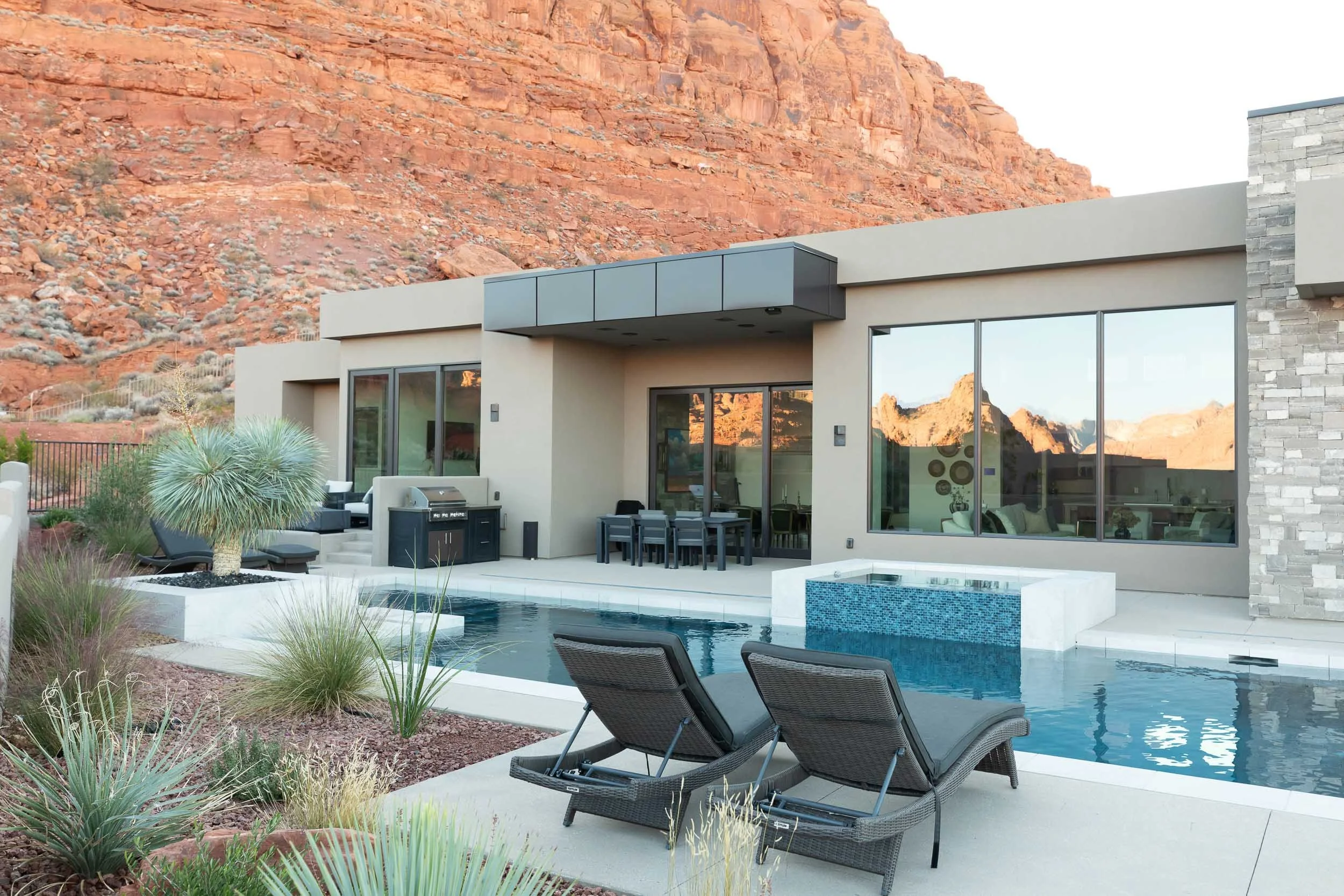
Outdoor spaces are often an afterthought, but they should not be.
A well designed outdoor space starts with how you plan to use it.
Will it be a place to escape the sun, or enjoy it?
Do you want it covered for more consistent use, or open to the sky?
How does it connect back to the interior spaces?
Even simple decisions like whether a patio is covered or uncovered can completely change how often the space is used.
The goal is to make outdoor living feel like a natural extension of the home, not something separate.
Bringing It All Together
Indoor outdoor living is not just about adding larger doors or a beautiful patio. It starts much earlier. It starts with how your home sits on the lot, how light moves through it, and how each space connects to the next.
When these elements are considered from the beginning, the result is a home that feels calm, intentional, and beautifully connected to its surroundings.
If you are in the early stages of building or remodeling, this is exactly where I love to begin with my clients. Looking at the big picture first makes every decision that follows feel easier and more intentional.