
When Science Meets Design-Why Some Spaces Just Feel Right
How neuroaesthetics helps us design homes that feel calm, balanced, and deeply human
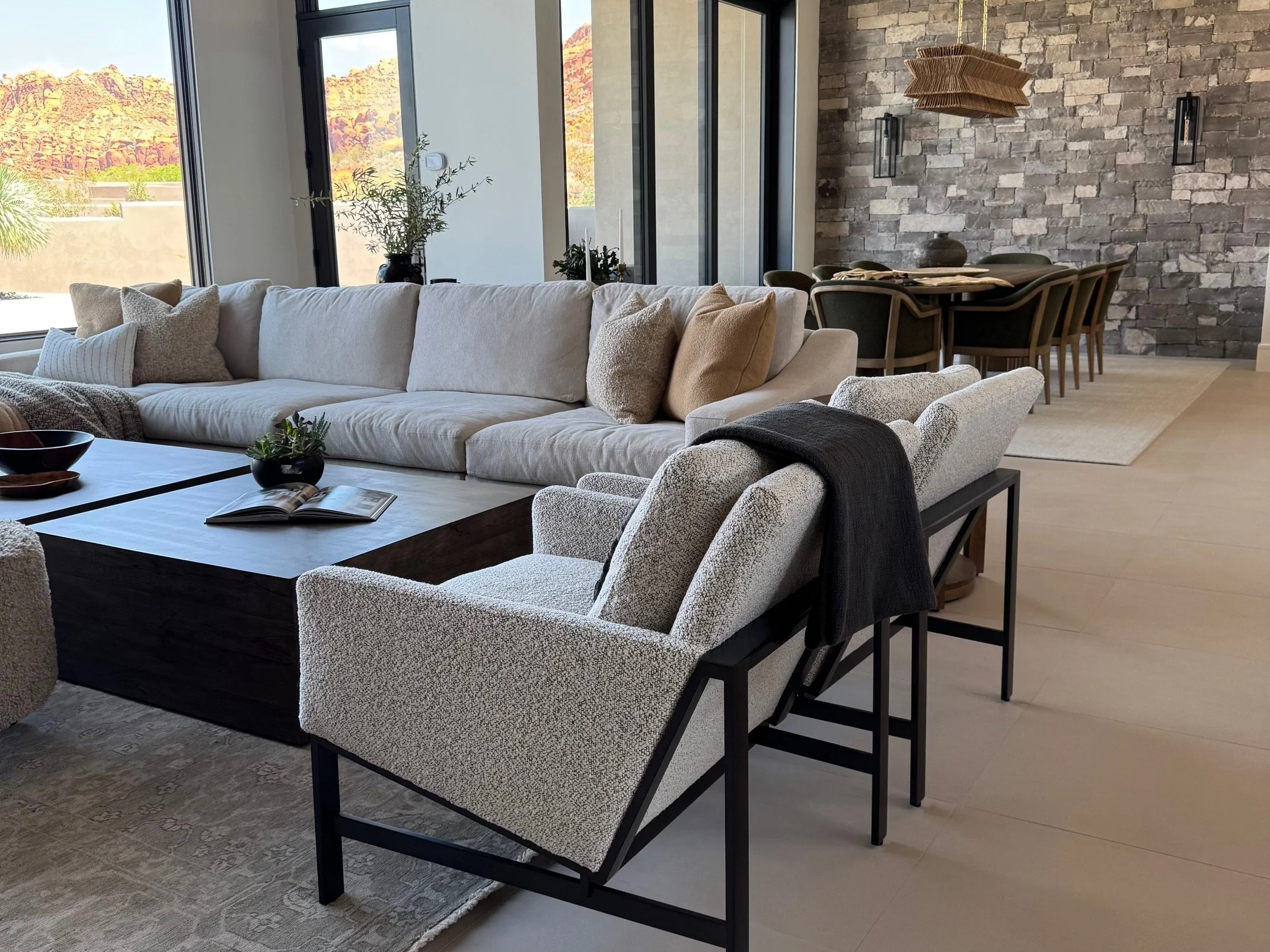
Have you ever walked into a room and instantly felt your shoulders drop?
Maybe it was the way light streamed through the windows or how everything just felt in harmony — the textures, the colors, the flow. Some spaces have an almost magical ability to make us feel calm and at ease, while others (even beautifully decorated ones) somehow miss the mark.
That reaction isn’t just about personal taste — it’s rooted in science. The field of neuroaesthetics studies how our brains respond to beauty, light, texture, and form — and how design can positively affect our mood, focus, and overall well-being.
When I first learned about neuroaesthetics, it immediately clicked: I feel this in my home and I have felt this way in the homes that I have designed, but I never had a word for it. Simply put, it’s how our brain reacts to the look, feel, and flow of a space
Why Neuroaesthetics Matters at Home
Interior spaces play a huge role in shaping our daily experiences — influencing everything from mood and energy to focus and emotional well-being. The environments we live in are more than just backdrops; they’re dynamic settings that can either uplift or undermine our mental health.
As designer and researcher Gail Race explains,
“Neuroaesthetics is the study of how the brain responds to art, design, and aesthetic experiences — merging neuroscience with psychology and art to understand how elements such as color, form, texture, and spatial organization impact our cognitive and emotional states.”
This idea reinforces what many of us instinctively know: the spaces we inhabit every day can either drain or restore us. In my work I lean into natural finishes and layered lighting because of how our biology responds — it’s not just pretty, it’s purposeful
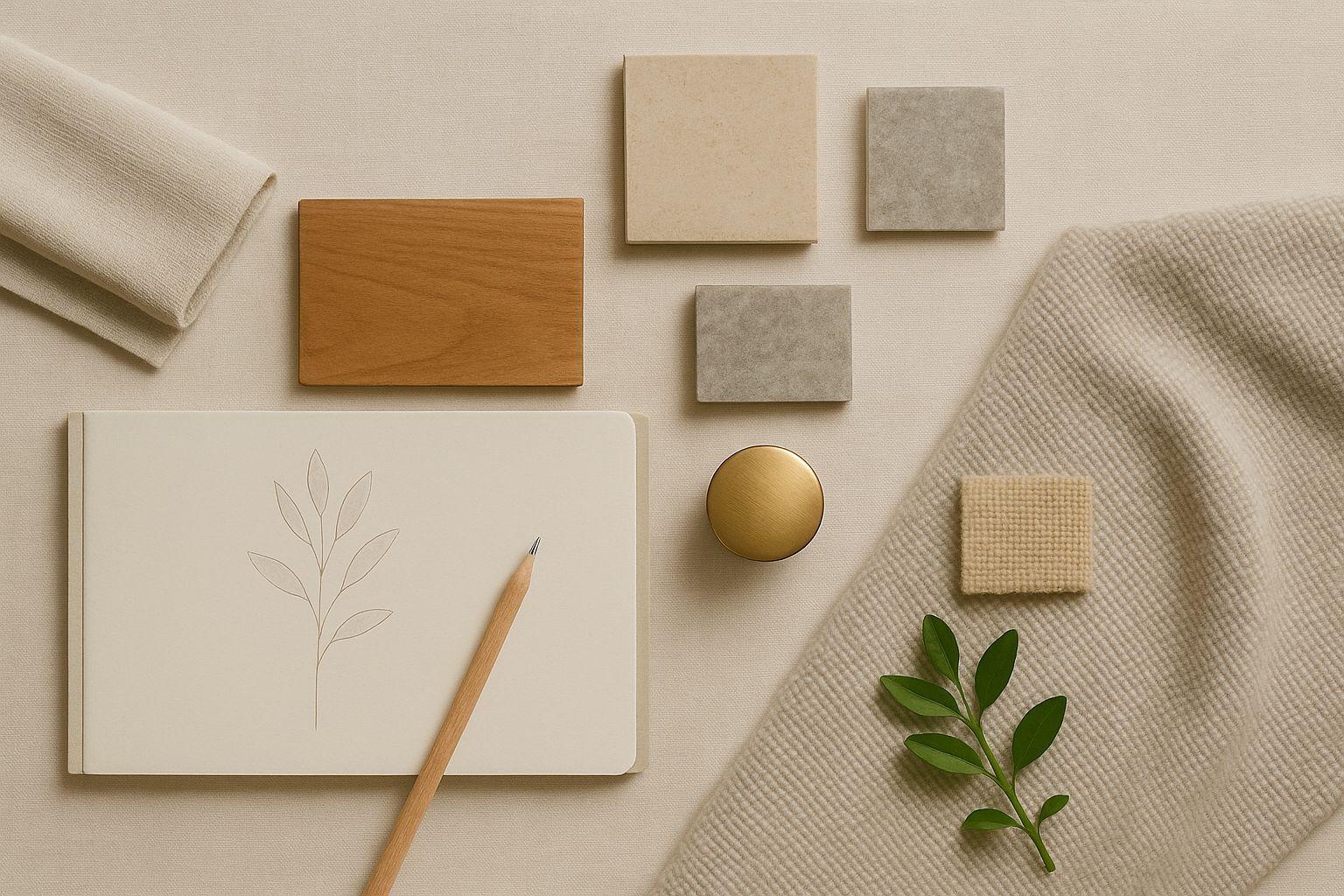
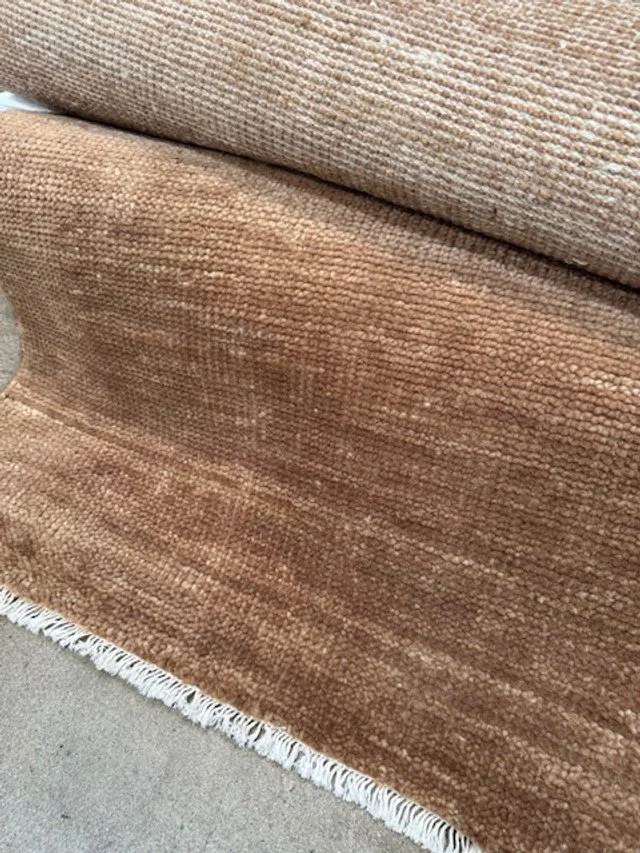
Varying textures and materials play a vital role in how a space makes us feel.
The Stress-Reducing Power of Nature
Research consistently shows that exposure to natural elements — whether real or represented — has measurable effects on reducing stress and improving mood. The presence of natural light, organic materials, and greenery has been linked to lower cortisol levels and a stronger sense of calm.
Even subtle touches matter. Studies reveal that nature-inspired artwork, plants, or views of green space can help reduce anxiety and boost creativity, even after just 30 minutes.
As designer Natalya Kozhukh-Joo shared in Home Accents Today:
“Our goal is to ignite emotion from the occupants. We create spaces that allow for the best version of whoever is occupying that space. We want to unlock human potential.”
That aligns beautifully with how I approach my projects — designing with the goal of how you’ll feel in the space, not just how it looks.
In my own work, I often start by walking the property and noticing what draws people in — the direction of the morning light, the mountain views, or any other natural elements that we want to draw into the space visually. From there, I orient windows and layouts to maximize natural daylight and sightlines. I also think about indoor/outdoor flow, as well as texture. To help bring a sense of tranquility indoors, I always want to include natural elements such as wood, stone, natural fabrics like linen and wool, plants, etc.
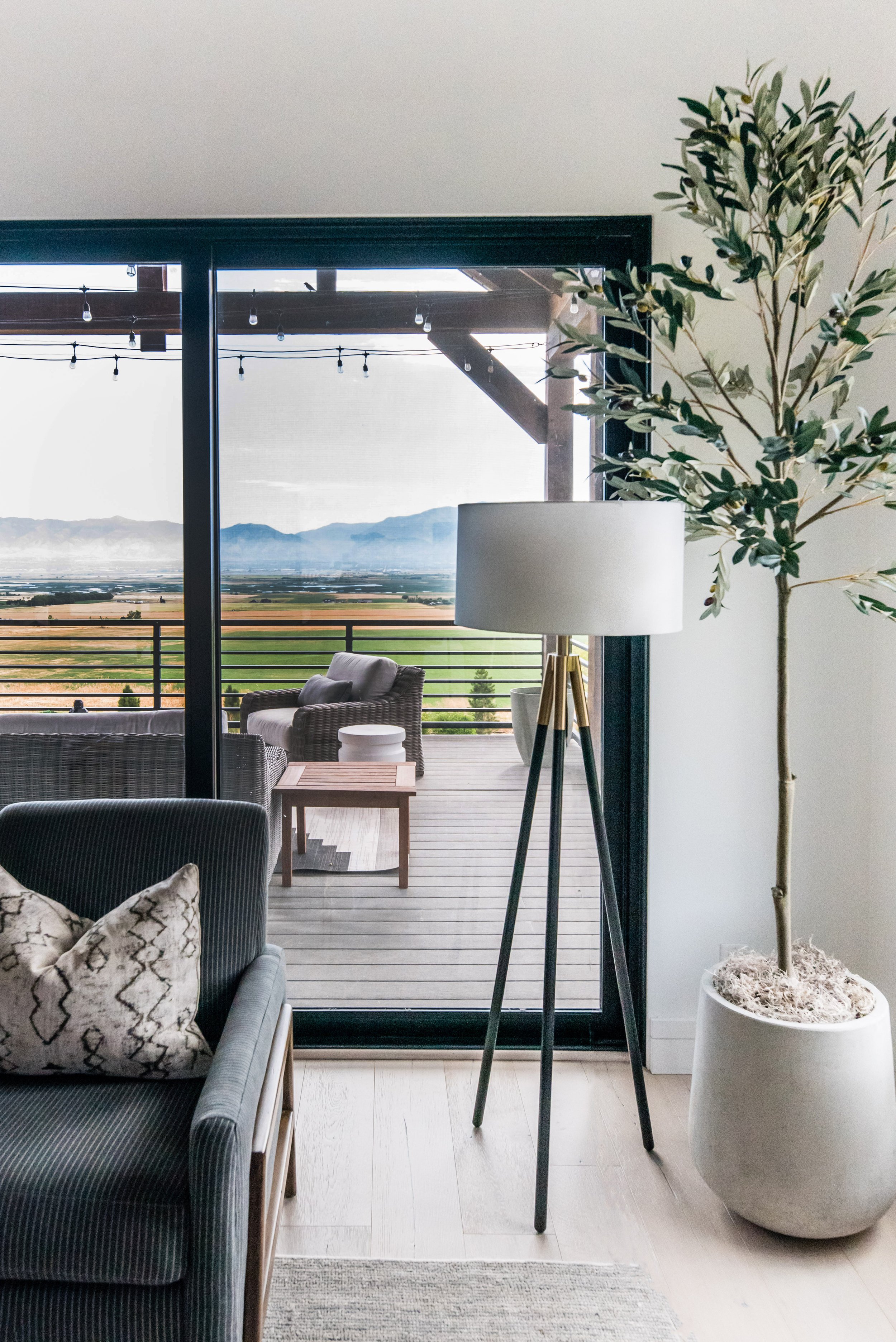
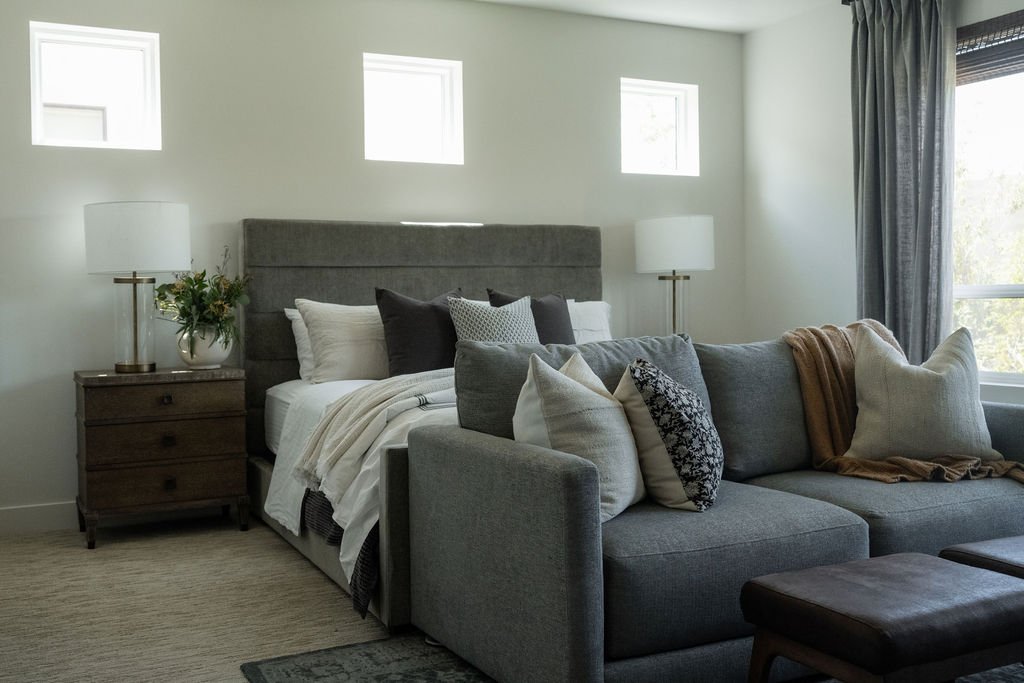
Natural light and greenery reduce stress and promote well-being
The Sensory Layer: Engaging All Five Senses
Neuroaesthetic research emphasizes that our experience of a space is multisensory — involving sight, touch, sound, smell, and even memory. By thoughtfully designing for the senses, we can create interiors that reduce stress and foster well-being.
Here’s how I think about it:
Sight: Balanced light, symmetry, and harmonious color palettes calm the mind.
Touch: Soft textiles and natural textures create warmth and comfort.
Sound: Layered spaces and thoughtful acoustics add a quiet sense of calm.
Smell: Subtle natural scents (wood, linen, fresh air) enhance relaxation.
When these elements work together, they create an experience that feels deeply human — grounding and restorative.

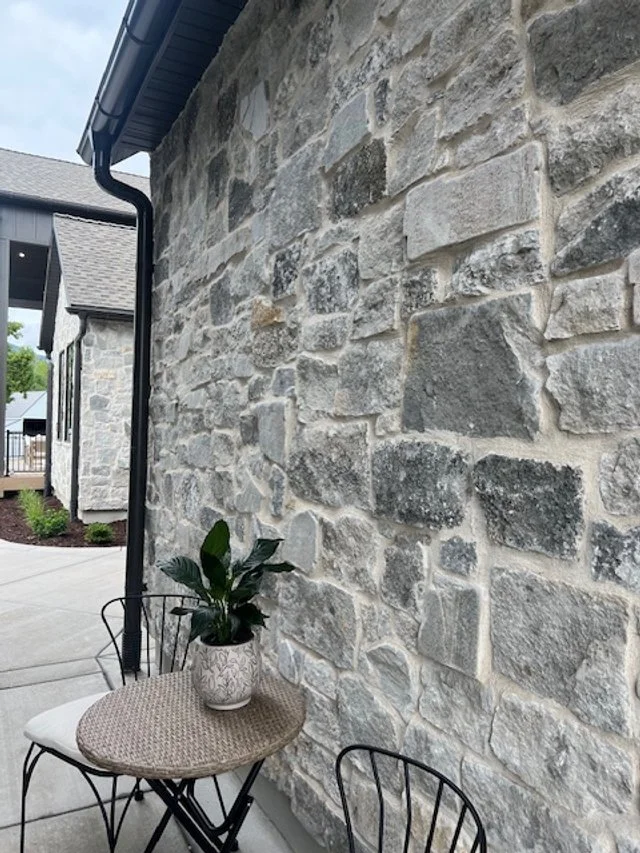
Color, Symmetry, and Proportion: The Quiet Science of Harmony
Color psychology plays a major role in neuroaesthetics. Cool tones like blue and green promote calm and lower blood pressure, while warm tones (reds, oranges, yellows) can energize and encourage connection — perfect for social spaces like kitchens and dining rooms.
As Gail Race notes,
“The human brain is hardwired to find symmetry pleasing. Balanced, harmonious spaces are associated with feelings of comfort and relaxation, while rooms without balance can make us feel uneasy or agitated.”
It’s fascinating how science validates what great design has always known — balance, proportion, and flow aren’t just visual preferences; they’re emotional ones.
How I Bring Neuroaesthetic Design to Life
I’ve always been drawn to calm, layered spaces — long before I knew there was a name for it. Today, I use the principles of neuroaesthetics intentionally in every project.
That means prioritizing natural light, thoughtful color palettes, and materials that feel authentic and tactile. It’s about more than style — it’s about creating an atmosphere where you can feel yourself exhale.
When clients tell me, “I don’t know what it is, but this space just feels so peaceful,” that’s neuroaesthetics in action.
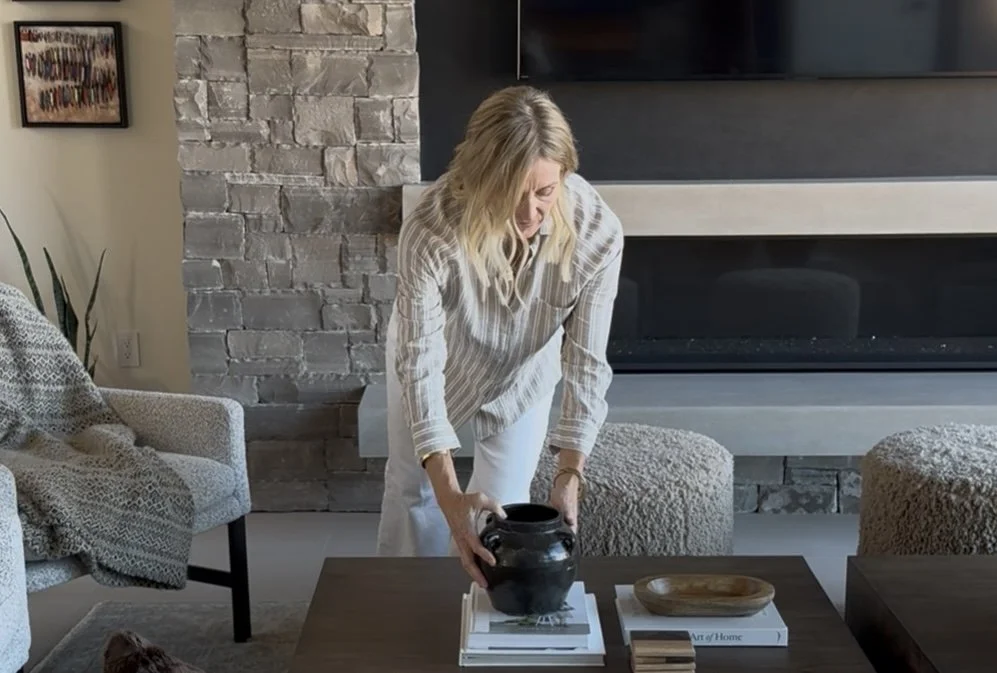
Designing with intention — creating calm, layered spaces that feel like an exhale
Design That Nurtures Well-Being
We live in a world that often feels overstimulating — from constant digital input to daily uncertainty. The McKinsey Health Institute reports widespread and persistent symptoms of distress, anxiety, and depression globally, making the spaces we return to each day more important than ever.
When we intentionally design homes that nurture calm, we’re doing more than decorating — we’re supporting mental health and quality of life.
Good design can’t fix everything, but it can absolutely make daily life feel a little lighter, calmer, and more inspired.
If you’re ready to create a home that looks stunning and feels restorative — in every sense of the word — I’d love to help you bring that vision to life.