
Why Hiring a Designer Actually Saves You Stress and Costly Mistakes
Most people don’t call an interior designer because they want to spend more money.
They call because they’re overwhelmed.
They’ve saved inspiration photos, talked through ideas with friends, maybe even met with a builder, and somehow things still feel unclear. Too many decisions. Too many opinions. Too many opportunities to get it wrong.
What many homeowners don’t realize is that hiring a designer isn’t about making things more elaborate. It’s about making the process simpler, calmer, and far more intentional.
After years of working with homeowners, especially those renovating or building in a new season of life, I’ve seen the same patterns again and again. When design support comes in early, stress goes down, confidence goes up, and costly mistakes are almost always avoided.
Let me explain why.
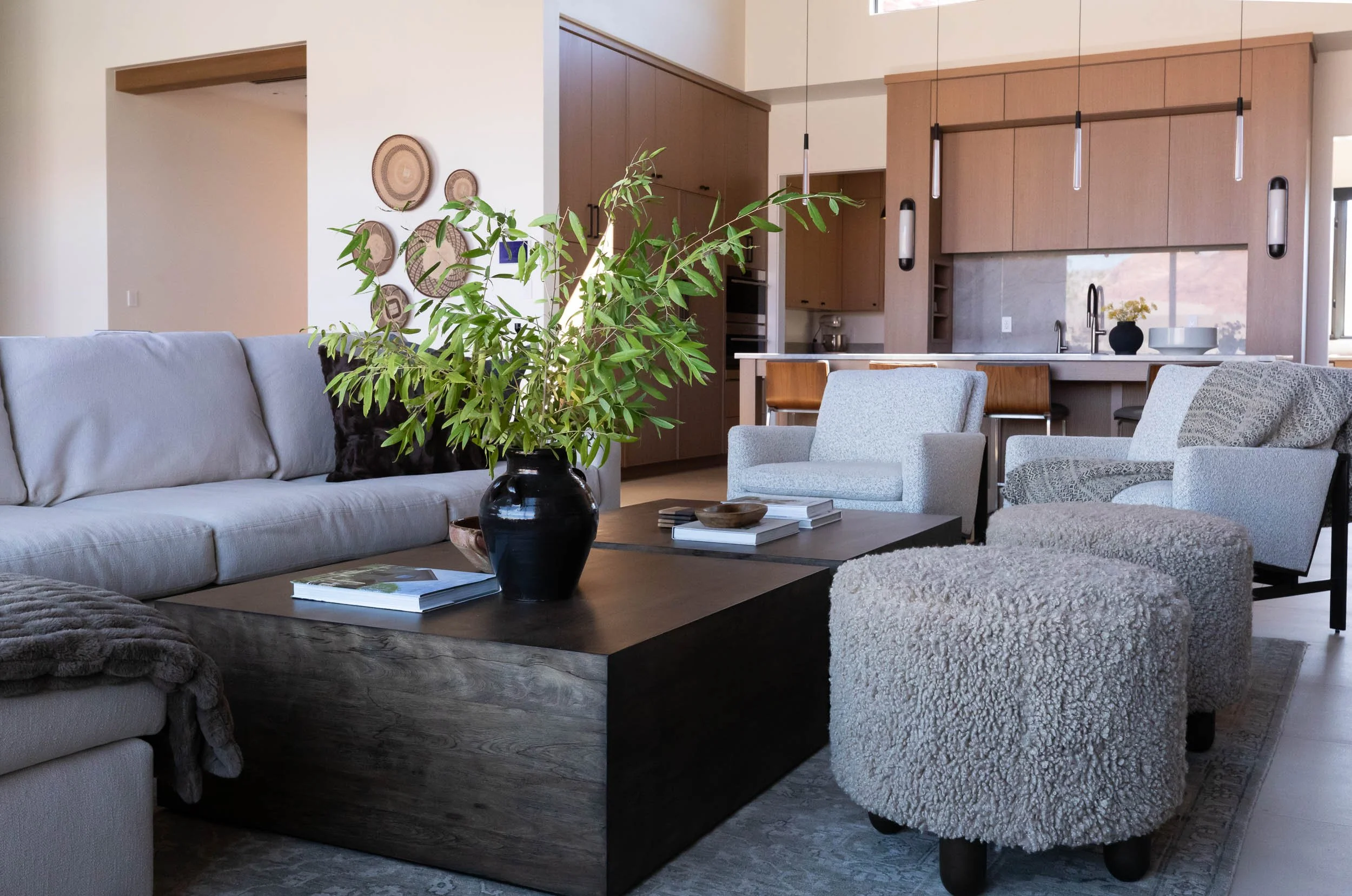
1. Decision Fatigue Is Real and It Adds Up Fast
One of the biggest stressors in any remodel or new build isn’t construction.
It’s decision making.
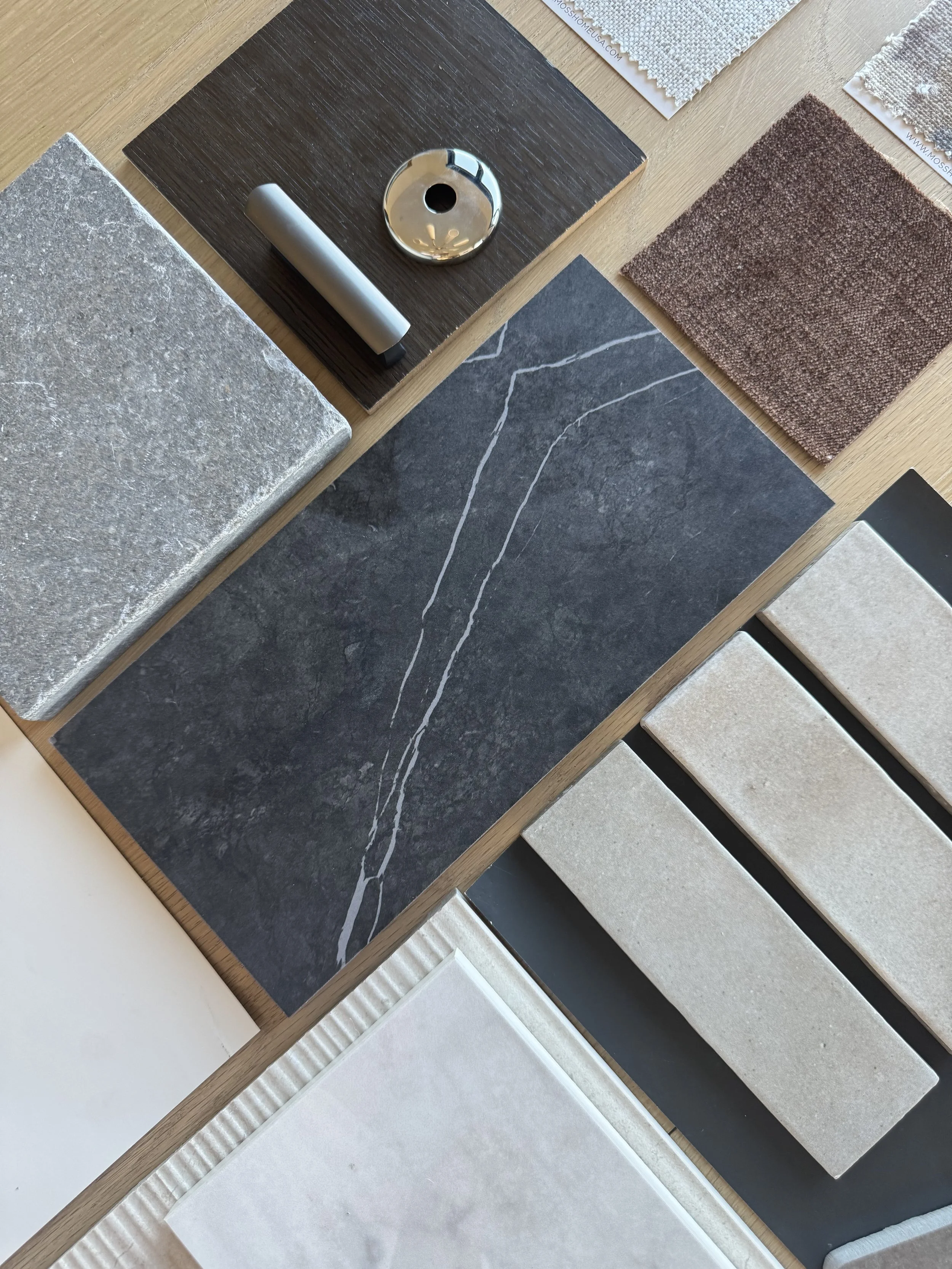
Cabinet styles. Countertops. Tile. Hardware. Lighting. Paint colors. Flooring. Trim.
Each decision feels small until you’re making dozens of them back to back.
Without guidance, homeowners often second guess choices, delay decisions, change their minds midstream, or default to safe options they don’t actually love.
A designer’s job is to narrow the field. Instead of infinite choices, you’re presented with a curated set of options that already work together, fit your home, and align with how you live.
That alone removes a huge mental burden.
2. Mistakes Are Expensive and Usually Preventable
Many of the most expensive mistakes I see aren’t dramatic. They’re subtle.
Things like cabinets that technically fit but don’t function well, lighting that looks fine on paper but feels harsh or dim in real life, tile layouts that weren’t thought through until installation, or furniture that’s scaled incorrectly for the room.
These aren’t Pinterest problems.
They’re planning problems.
A designer is trained to think several steps ahead. Not just about how something looks, but how it will feel and function long term. That foresight saves money because you’re far less likely to redo, replace, or regret decisions later.
3. Knowing Where to Spend and Where to Simplify
One of the biggest misconceptions is that designers push clients to spend more.
In reality, my role is often the opposite.
Not everything needs to be a splurge. The key is knowing where quality truly matters and where you can simplify without sacrificing the overall feel of your home.
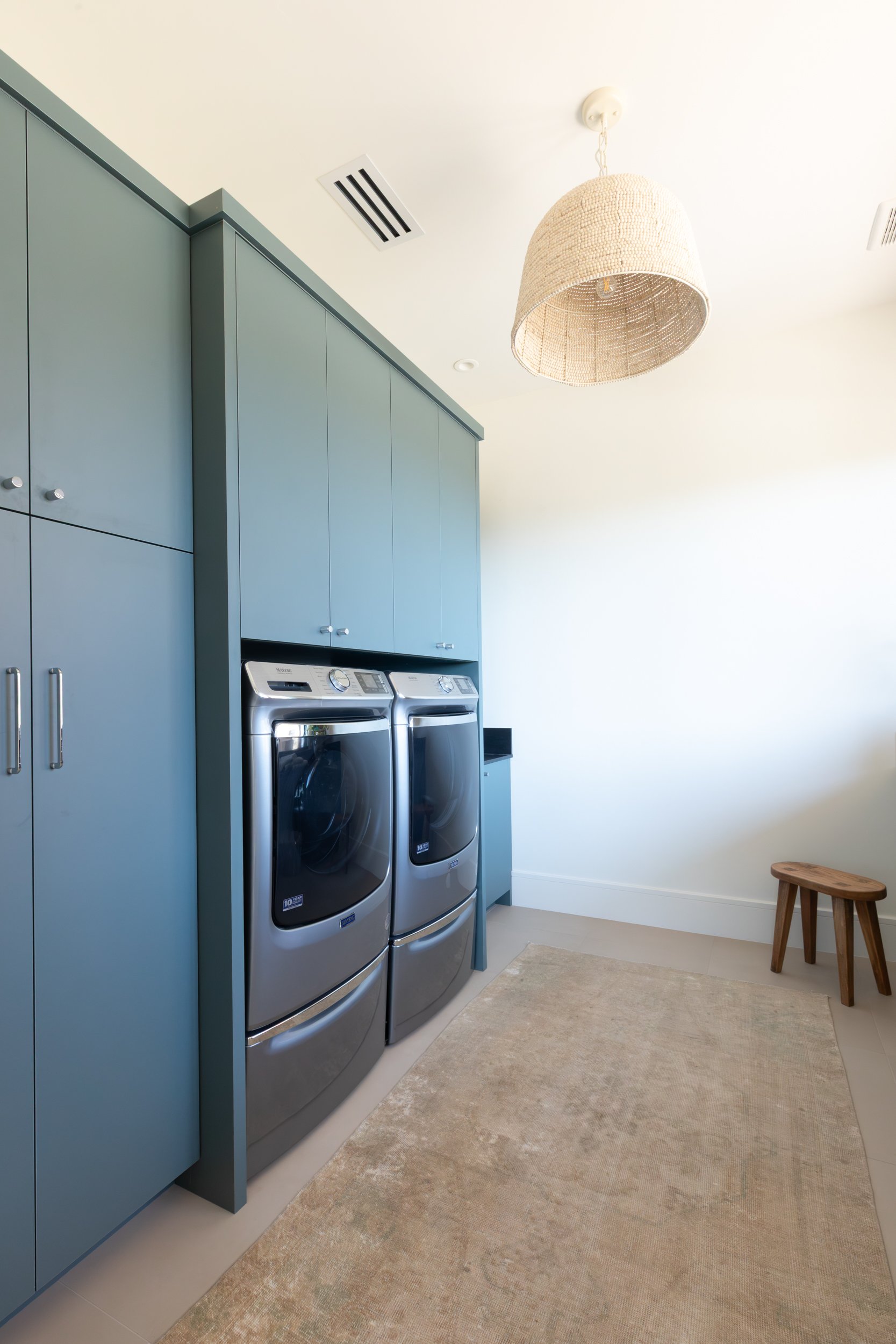
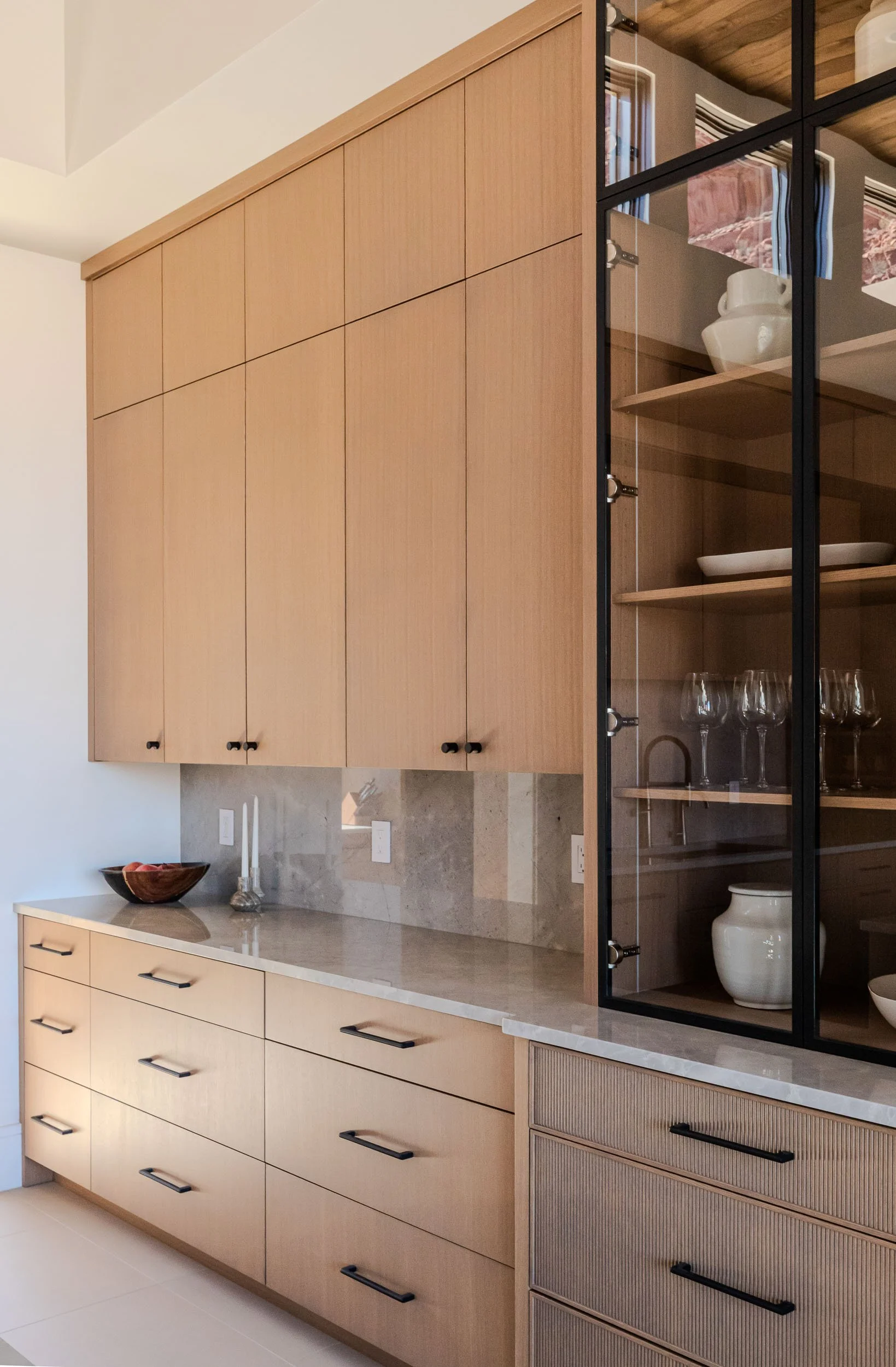
For example, investing in cabinetry layout and construction, choosing timeless finishes where change would be disruptive, and saving on items that can be updated easily over time.
When spending is intentional, clients feel more confident and far less anxious about their investment.
4. A Designer Brings Order to the Process
During a remodel or build, there are a lot of moving pieces. Builders, trades, vendors, timelines, deliveries, and questions that pop up unexpectedly.
When clients don’t have a clear design plan, those questions often land on them. That’s when stress spikes.
A designer provides structure. Plans. Documentation. Clear decisions made in advance.
That clarity helps projects move more smoothly and keeps homeowners from feeling like they need to manage everything themselves.
5. The Process Should Feel Collaborative Not Intimidating
Hiring a designer doesn’t mean handing over control. At least, it shouldn’t.
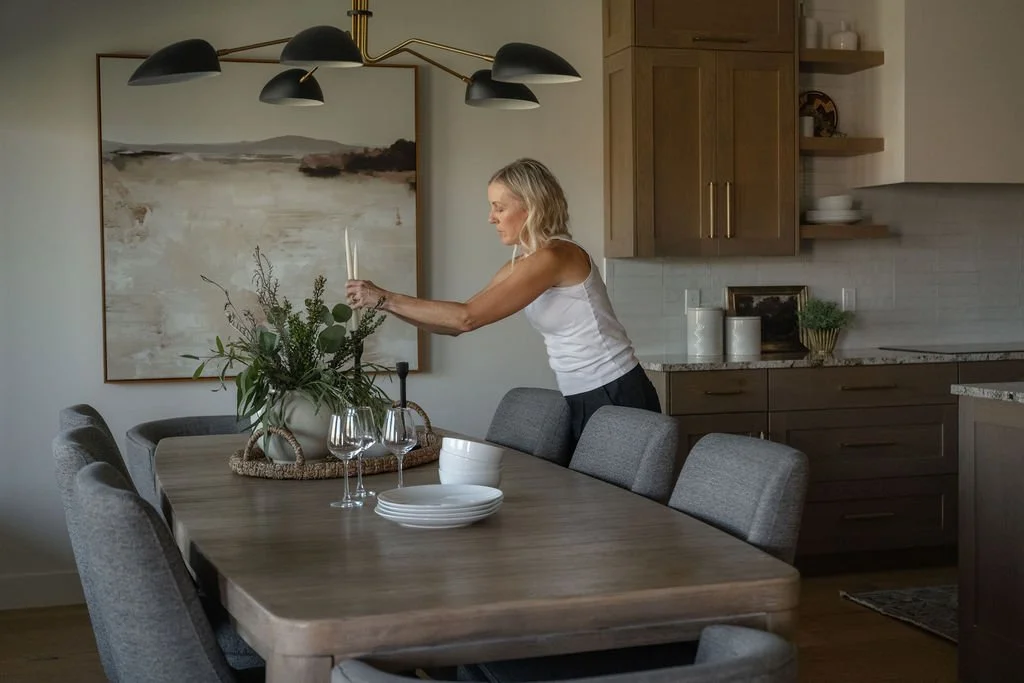
The most successful projects happen when clients feel heard, supported, and confident in the direction we’re taking together. My role is to guide, refine, and bring clarity. Not to override your instincts or preferences.
When the process feels collaborative, design becomes enjoyable again. And that’s when the end result truly reflects the people who live there.
Final Thoughts
If you’re considering a remodel or new build and feeling overwhelmed, that’s not a sign you’re doing something wrong. It’s a sign you’re taking on something complex.
Thoughtful design support doesn’t just change how your home looks. It changes how the entire experience feels. Less stress. Fewer mistakes. Clearer decisions. And a home that truly supports the life you’re living now.
If you’re ready to explore what that could look like for your home, I’d love to start the conversation.